Archives
- 2026-04
- 2026-03
- 2026-02
- 2026-01
- 2025-12
- 2025-11
- 2025-10
- 2025-09
- 2025-03
- 2025-02
- 2025-01
- 2024-12
- 2024-11
- 2024-10
- 2024-09
- 2024-08
- 2024-07
- 2024-06
- 2024-05
- 2024-04
- 2024-03
- 2024-02
- 2024-01
- 2023-12
- 2023-11
- 2023-10
- 2023-09
- 2023-08
- 2023-07
- 2023-06
- 2023-05
- 2023-04
- 2023-03
- 2023-02
- 2023-01
- 2022-12
- 2022-11
- 2022-10
- 2022-09
- 2022-08
- 2022-07
- 2022-06
- 2022-05
- 2022-04
- 2022-03
- 2022-02
- 2022-01
- 2021-12
- 2021-11
- 2021-10
- 2021-09
- 2021-08
- 2021-07
- 2021-06
- 2021-05
- 2021-04
- 2021-03
- 2021-02
- 2021-01
- 2020-12
- 2020-11
- 2020-10
- 2020-09
- 2020-08
- 2020-07
- 2020-06
- 2020-05
- 2020-04
- 2020-03
- 2020-02
- 2020-01
- 2019-12
- 2019-11
- 2019-10
- 2019-09
- 2019-08
- 2019-07
- 2019-06
- 2019-05
- 2019-04
- 2018-11
- 2018-10
- 2018-07
-
br Regulation of the GLI code by non HH signals
2022-07-13
Regulation of the GLI code by non-HH signals and by the oncogenic load The GLI code may be seen as the essential parameter to regulate canonical HH output. Its regulation first appeared to be strictly dependent on the presence of specific levels of HH ligands. Indeed, GLI1 transcription is so far
-
We hypothesize that HBO increases GABA activity at the GABAA
2022-07-12
We hypothesize that HBO2 increases GABA activity at the GABAA receptor via a nitric oxide dependent mechanism. Blotting for the phosphorylated β3 subunit of the GABAA receptor should theoretically be increased when there is more GABA activity at the receptor (McDonald et al., 1998). We expected that
-
In the present studies we found
2022-07-12

In the present studies, we found that genistein did not antagonize fMLF-induced Ca2+ mobilization in FPR1-HL60 etc and human neutrophils. Thus, the previously reported inhibitory effect of genistein on fMLF-stimulated degranulation, aggregation, and reactive oxygen species (ROS) production in human
-
The inhibitory activities of the compounds with
2022-07-12
The inhibitory activities of the compounds with the modification of the amino group against human liver FBPase are summarized in . Replacement of the amino group of with hydrophobic substituent such as a methyl group () led to a substantial loss of activity (IC=995nM). Similarly, replacement with h
-
dopamine reuptake inhibitor The product chain length determi
2022-07-12
The product chain-length determination mechanism of -prenyltransferases has not yet been elucidated, although mutational analyses of highly conserved residues and of characteristic amino dopamine reuptake inhibitor residues in each subfamily of -prenyltransferases have enabled the understanding of t
-
br Acknowledgements We thank Dr Bhushan Nagar and
2022-07-12
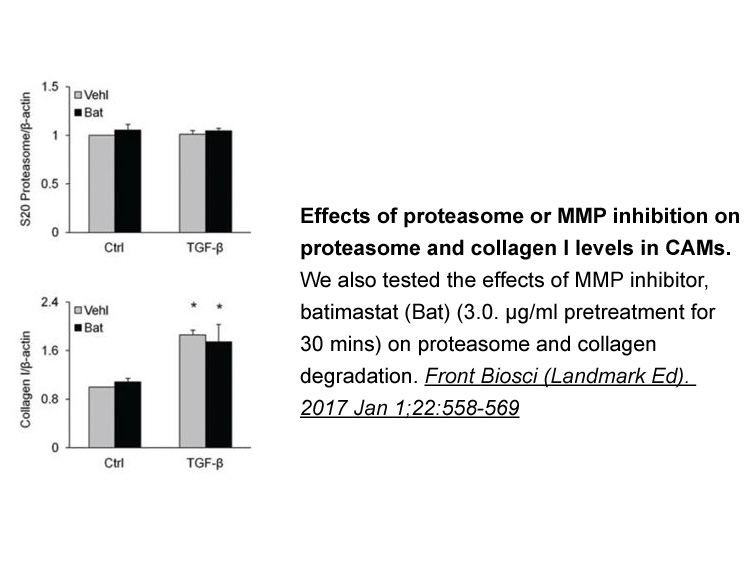
Acknowledgements We thank Dr. Bhushan Nagar and Dr. Albert Berghuis for access to the X-ray diffraction machine at McGill University. We also thank Dr. Manon Couture and Dr. Steve Charette at Université Laval for access to scientific equipment. Funding for this research was provided by Discovery
-
Data of initial analogs have been shown in
2022-07-12
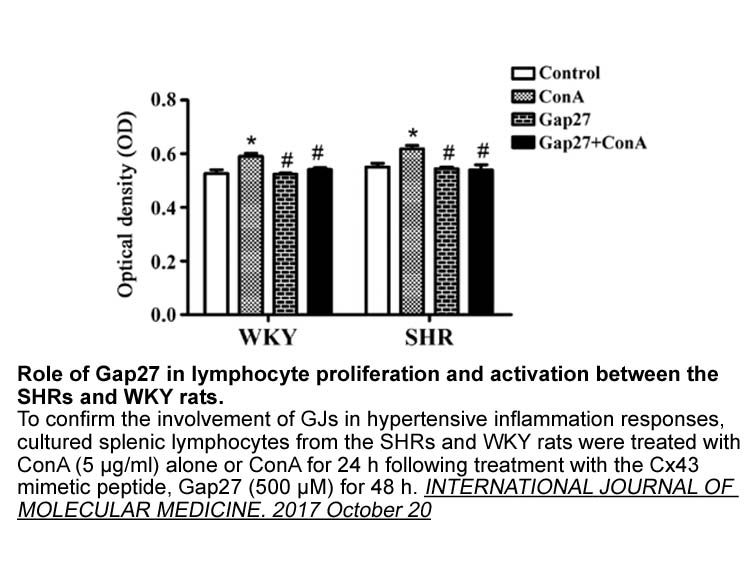
Data of initial analogs (±)-– have been shown in wherein SAR was observed for the intended change of the right-hand side pyridin-3-yl ring of to various other -containing heteroaryl ring (Ar) disposing the ring- at different directions. Based on consistent human and rat FAAH potency as well as int
-
At baseline Hdc KO mice have
2022-07-12
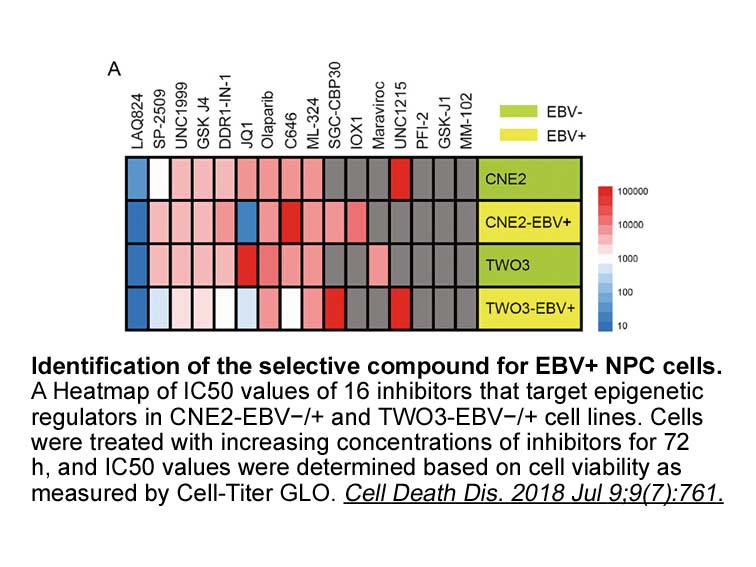
At baseline, Hdc-KO mice have alterations in the examined signaling cascades that resemble those seen in WT mice after RAMH challenge. Specifically, corticosterone of MSK1 at T581 and of rpS6 ad S235/236 are elevated in dMSNs to a similar extent after saline in KO mice and after RAMH challenge in WT
-
Reactivation of memory engram neurons underlies memory retri
2022-07-12
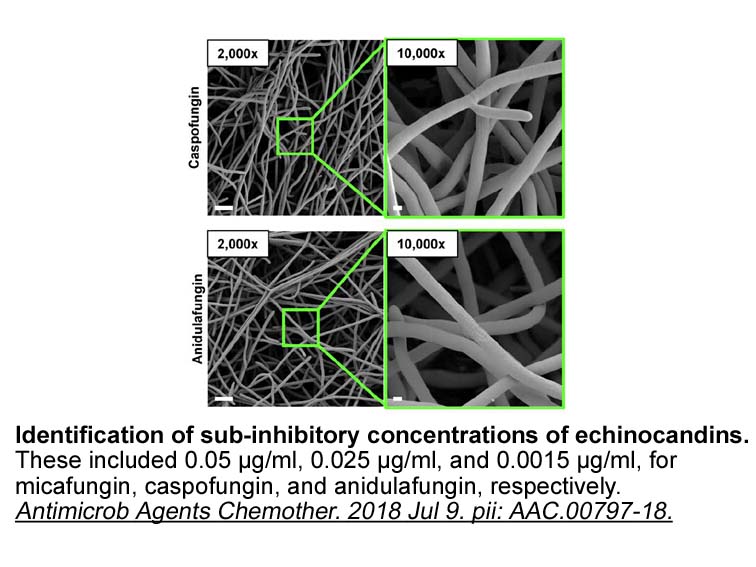
Reactivation of memory engram neurons underlies memory retrieval. Neurons activated during memory formation are reactivated during the memory test 24, 25, 32. The reactivation is observed in the cerebral cortex as well as in the hippocampus and amygdala 33, 34. The ratio of the reactivation correlat
-
br Results br Discussion In this study we found
2022-07-12
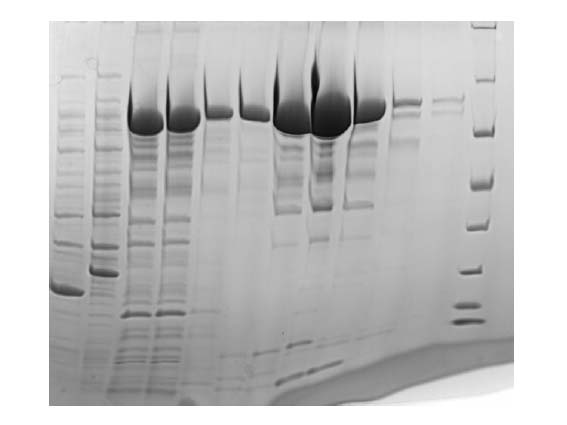
Results Discussion In this study, we found that ZNF280A was elevated in CRC tissues and a high expression of ZNF280A correlated with advanced clinicopathological features, poor prognosis, and disease progression in CRC patients. Furthermore, silencing ZNF280A attenuated proliferation and inhib
-
Much of the understanding of this system has come from
2022-07-12
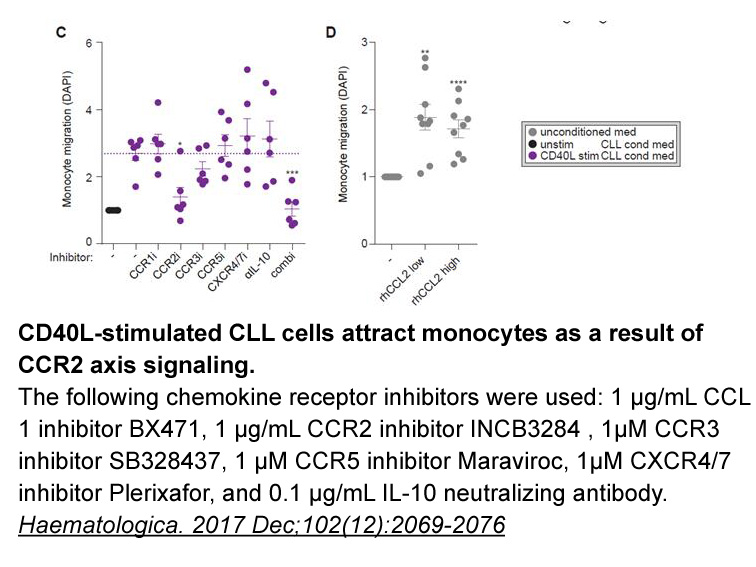
Much of the understanding of this system has come from several studies focussed on CB1. A significant amount of research has demonstrated that activation of the CB1 receptor by cannabinoid ligands stimulates food intake [10], reduces gastrointestinal motility [11], and increases lipogenesis [12] and
-
The GPR receptor is also emerging as an important
2022-07-12
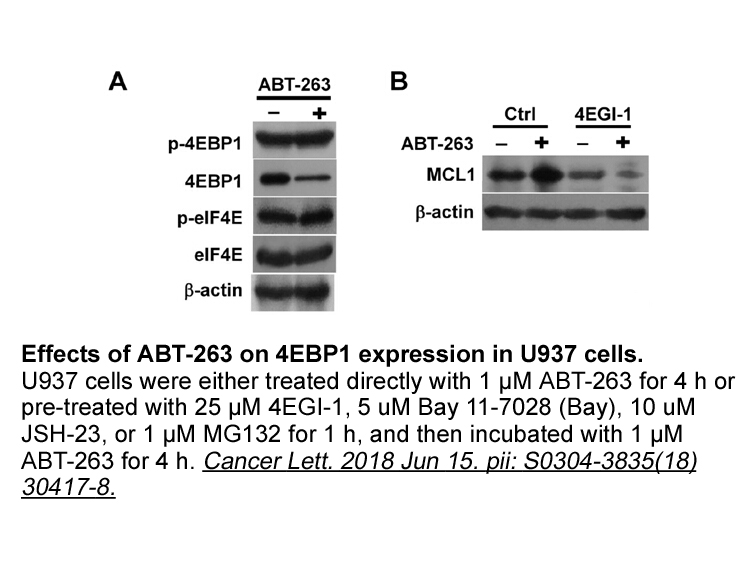
The GPR55 receptor is also emerging as an important therapeutic target. GPR55−/− mice possess no overt phenotype, but were protected in models of inflammatory and neuropathic pain (Staton et al., 2008). Staton et al. (2008) reported that no GPR55 mRNA could be detected by RT-PCR in the animals. Also
-
BMS-911543 receptor br Conclusions br Competing interests br
2022-07-12

Conclusions Competing interests Introduction Ethanol exposure has been linked to changes in the pattern of histone acetylation and deacetylation through histone acetyltransferases (HATs) and histone deacetylases (HDACs) in the BMS-911543 receptor and in peripheral tissues, leading to ethano
-
Recently a receptor for nicotinic acid
2022-07-12
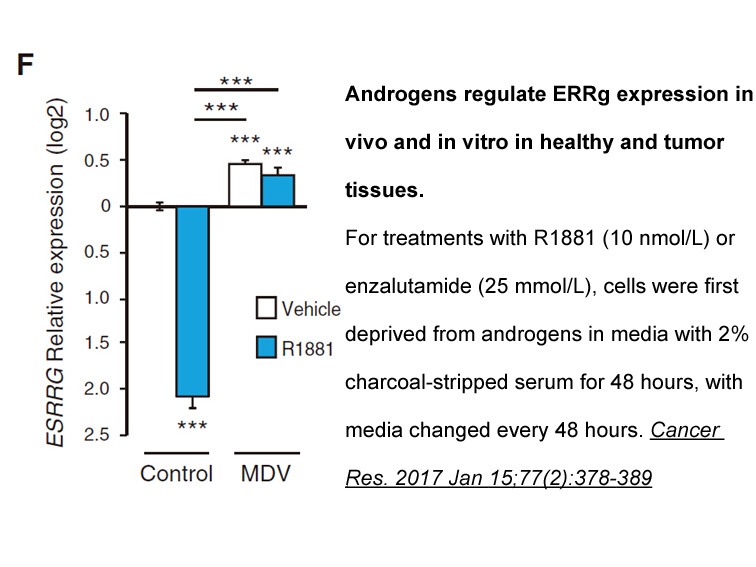
Recently, a receptor for nicotinic acid, named GPR109A (also known as HM74a in man or PUMA-G in the mouse) has been identified (Lorenzen et al., 2001, Lorenzen et al., 2002, Soga et al., 2003, Tunaru et al., 2003, Wise et al., 2003). This receptor, a member of the 7 transmembrane G-protein coupled f
-
Triflusal Flavonoids are able to modulate proinflammatory si
2022-07-11
Flavonoids are able to modulate proinflammatory signaling pathways to prevent OS and apoptosis [139]. Paraoxygenase-2 (PNO2) is an enzyme involved in neuroprotection by preventing OS mediated damage in mitochondria. Flavonoids can modulate the JNK/AP-1 pathway to increase expression of PNO2 [111]. F
16625 records 441/1109 page Previous Next First page 上5页 441442443444445 下5页 Last page